


Thinking of relocating to Spain’s Costa del Sol? This complete guide covers everything you need to know before moving to Marbella, Estepona, or Benahavís – from visas and neighbourhood’s to housing, healthcare, schools, cost of living, and local life. Whether you’re retiring, working remotely, or starting fresh, this is your all-in-one relocation handbook.
Table of Contents
Visas, Residency, NIE & Padrón
Work, Freelance & Business Setup
Driving, Transport & Car Ownership
Community, Networking & Lifestyle

Visas, Residency, NIE & Padron
Moving to Marbella isn’t just about sunshine and sangria — there’s a bit of paperwork to handle. Once you understand the basics (and get a little local help), it’s smoother than most expect.
Visas & Residency
EU/EEA/Swiss Citizens: No visa needed. If you’re staying over 3 months, you must register as a resident.
UK Citizens (post-Brexit): You’ll need a visa or residence permit. Common options include:
- Non-Lucrative Visa – for retirees or those living from savings.
- Golden Visa – invest €500,000+ in Spanish property.
- Work or Freelance Visa – for employment or self-employment.
- Digital Nomad Visa – for remote workers with foreign employers.
Other Non-EU Nationals: Visa requirements vary by country.
Tip: Spanish bureaucracy can be slow. Many expats hire a gestoría or immigration lawyer to handle paperwork. Check the Immigration & Legal Services directory for help.
NIE Number
The NIE (Número de Identificación de Extranjero) is your Spanish ID number. You’ll need it for buying property, opening a bank account, or working.
- Apply at the local police station or Spanish consulate before moving.
- Documents: passport, EX-15 form, proof of reason, and payment of the tax fee.
- For short-term or luxury rentals, many landlords accept just your passport. You’ll still need an NIE later if you plan to stay long-term.
Tip: Local services in Marbella can handle your NIE application for you.
Empadronamiento (Padrón)
The padrón is the municipal register showing you live in Marbella, Estepona, or Benahavís.
Why it matters:
- Access public healthcare.
- Enroll children in school.
- Apply for residency cards.
- Qualify for local tax discounts.
You’ll need:
- Passport and NIE (if available)
- Proof of address
- Application form from your town hall
Before registering, decide where to live — see our Neighborhood Guide to explore each area.
Best Areas to Live in Marbella, Estepona & Benahavís
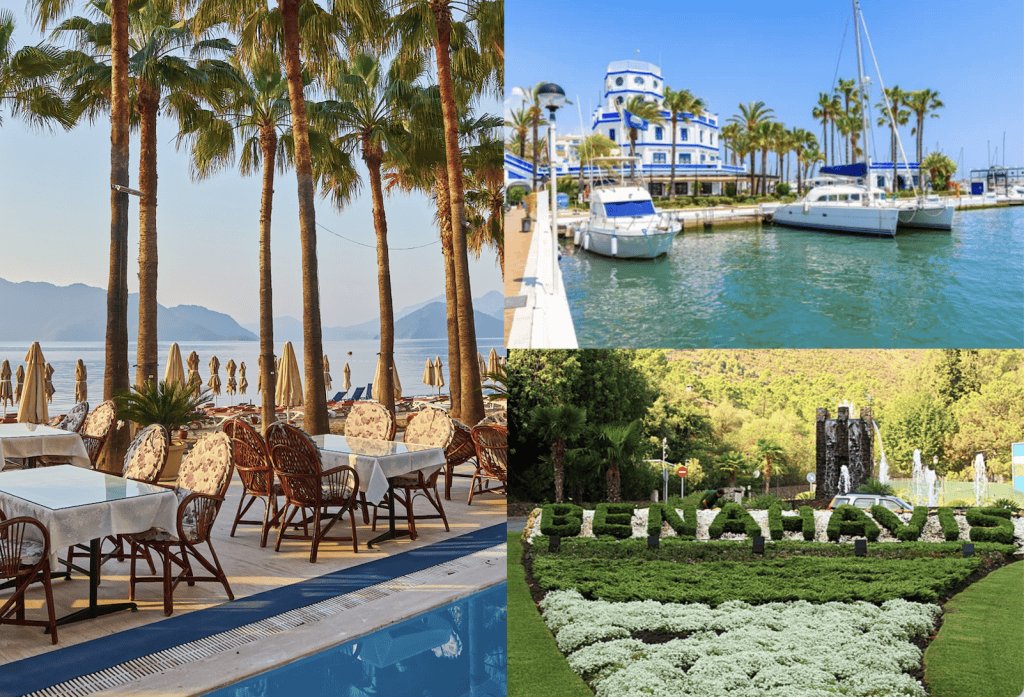
When people say they live in “Marbella,” they usually mean the wider triangle of Marbella, Estepona, and Benahavís. Each area has its own personality, from glitzy marinas to quiet hillside villages.
Marbella Highlights
Old Town (Casco Antiguo): Whitewashed charm, tapas bars, and walkable streets.
Golden Mile: Luxury villas, beach clubs, and elegant boulevards.
Nueva Andalucía: Family-friendly “Golf Valley” with La Campana, Aloha, and Las Brisas.
Puerto Banús: Nightlife, designer shops, and the famous marina.
San Pedro de Alcántara: Spanish character with a family feel; Cortijo Blanco on the beachfront offers a relaxed pace.
East Marbella (Elviria, Cabopino, Las Chapas): Wide beaches and good schools.
Istan: Overlooked mountain village with lake views and peace, yet only 15 minutes from the coast.
Estepona Highlights
Old Town: Beautifully restored and authentically Spanish.
Port Area: International restaurants and marina lifestyle.
New Golden Mile: Beachfront luxury developments and upmarket dining between Estepona and San Pedro.
East Estepona: Modern apartments, golf resorts, and great sea views.
Estepona is slightly more relaxed than Marbella but full of life and quality amenities.
Benahavís Highlights
Benahavís Village: Gourmet restaurants and mountain views.
La Quinta & Los Arqueros: Continuation of Marbella’s Golf Valley with easier access to San Pedro.
La Zagaleta & El Madroñal: Ultra-exclusive gated estates.
Benahavís Valley: Villas with panoramic sea views and peaceful surroundings.
Which Area Fits You?
- Families → Nueva Andalucía, San Pedro, Estepona East
- Golf Lovers → La Quinta, Los Arqueros, Aloha
- Nightlife & Luxury → Golden Mile, Puerto Banús
- Authentic Spanish Life → Estepona Old Town, Benahavís Village
- Quiet Hillside Living → Istan, Benahavís Valley

Housing: Rent vs Buy
Deciding whether to rent or buy depends on your long-term plans and how certain you are about your area.
Renting
- Standard contracts are 11 months, renewable.
- Most landlords require ID and proof of income.
- High-end rentals may accept a passport only.
- Costs range from €900/month for apartments to €6,000+ for luxury villas.
- Renting first lets you test neighborhoods before buying.
Buying
- No restrictions for foreigners.
- The Golden Visa applies for property over €500,000.
- Allow 10–13% extra for taxes and fees.
- Popular areas: Golden Mile, Nueva Andalucía, Estepona’s New Golden Mile, Benahavís hillside communities.
- Work with local estate agents and independent lawyers.
Hidden Costs
- Utilities: €100–€300/month
- Community fees: for shared gardens, pools, security
- Deposits: usually one to two months’ rent
Explore Real Estate Agents, Mortgage Brokers, and Relocation Services in our directory.

Cost of Living
Is Marbella expensive? It depends on your lifestyle. Everyday basics are affordable, but housing and schools can increase your monthly budget.
Average Monthly Costs
- Budget couple: €1,800–€2,500
- Family of four: €3,500–€6,000
- Luxury lifestyle: €8,000+
Utilities range from €150–€250/month. Dining out can be €12 for tapas or €200+ at Michelin-star restaurants.
Estepona and Benahavís tend to be cheaper than central Marbella.

Work, Freelance & Business Setup
The Costa del Sol isn’t just for retirees — it’s a hub for entrepreneurs, freelancers, and digital nomads.
Working as an Employee
Your employer handles most paperwork. You’ll need an NIE, social security number, and Spanish bank account. Salaries are lower than in northern Europe, but the lifestyle makes up for it.
Becoming Autónomo (Freelancer)
- Register with tax office and social security.
- Initial fee: around €80/month (increases to €300+ later).
- File quarterly VAT and annual returns.
- Hire a gestoría to handle paperwork.
Setting Up a Business
For larger ventures, form an SL (Sociedad Limitada) — Spain’s version of a limited company.
You’ll need notary registration, tax setup, and business licenses.
Digital Nomads
- The Digital Nomad Visa allows remote workers to live in Spain while working abroad.
- Dozens of coworking spaces in Marbella and Estepona.
- Reliable fibre internet across most areas.
Find Accountants, Coworking Spaces, and Business Consultants in our directory.
Alternatively, if you are looking for a job in Marbella or the Malaga area view our Jobs Board.

Schools & Childcare
Families will find a wide range of schooling options across Marbella, Estepona, and Benahavís.
Types of Schools
- Public (Spanish state) – Free, taught in Spanish, requires padrón registration.
- Concertado – Semi-private, lower fees, often bilingual or Catholic.
- Private & International – British, American, German, French, and bilingual curriculums.
Notable International Schools
- Aloha College (Marbella)
- Swans International School (Marbella)
- Laude San Pedro International College
- Atalaya International School (between Estepona & San Pedro)
- Mayfair International Academy (Estepona)
- Local Spanish schools in Benahavís Village for younger children
Childcare
Nurseries (guarderías) start from €300–€600/month. Many international schools offer early years programs. Nannies and au pairs are common and easy to find.
Explore the Schools and Education Providers in Marbella & Estepona

Healthcare
Spain’s healthcare is excellent — both public and private.
Public System
- Free for residents contributing to social security.
- Main hospital: Hospital Costa del Sol (Marbella).
- Local clinics (centros de salud) in each town.
Private System
- Shorter wait times and multilingual doctors.
- Private hospitals: HC Marbella, Quirónsalud Marbella, Hospiten Estepona.
- Insurance costs: €50–€150/month depending on age and coverage.
Pharmacies are everywhere and offer friendly, professional service.
Browse Hospitals and medical clinics in Marbella & Estepona

Banking, Taxes & Money
Opening a Bank Account
- Non-residents can open accounts with passport and proof of address.
- Resident accounts offer lower fees.
- Popular banks: Santander, Sabadell, CaixaBank, Bankinter.
Taxes
- Resident after 183+ days/year.
- Declare worldwide income.
- Wealth tax largely abolished in Andalusia.
- Property taxes: IBI (annual), plus VAT or transfer tax when buying.
Use a qualified accountant or gestoría for setup.

Driving, Transport & Car Ownership
Most expats find owning a car essential.
Driving
- EU licenses valid in Spain.
- Non-EU (including UK) valid for 6 months after residency.
- Exchange at the DGT office with NIE, medical exam, and documents.
Cars & ITV
- Used cars: check for fines or debts.
- ITV test every 1–2 years depending on vehicle age.
Getting Around
- Coastal bus connects Marbella, San Pedro, and Estepona.
- Uber, Bolt, and taxis widely available.
- Málaga Airport 45 minutes away.
Parking: Blue zones are paid; private parking recommended in summer.

Utilities & Internet
Setting up utilities is simple once you’ve got your NIE and bank account.
Electricity & Gas
- Providers: Endesa, Iberdrola, Naturgy, Holaluz.
- Bills: €60–€150/month.
- Gas: bottled or piped depending on property.
Water & Rubbish
- Managed by local town halls, billed quarterly.
Internet & TV
- Fibre (300–1000 Mbps) available almost everywhere.
- Providers: Movistar, Vodafone, Orange, MásMóvil, Olivenet.
- Packages: €35–€60/month.

Everyday Life
Daily life is easygoing, friendly, and full of convenience.
Shopping
- Supermarkets: Mercadona, Carrefour, Lidl, Aldi.
- International stores: Iceland Overseas, Scandinavian shops.
- Street markets weekly in all towns.
Fitness & Sports
- Gyms from €30–€150/month.
- Golf, padel, tennis, and yoga everywhere.
- Hiking trails in Benahavís and Istan.
Language
Spanish lessons, private tutors, and community classes available across the region.
Pets
Very pet-friendly: vets, dog beaches, and walking trails are plentiful.

Community, Networking & Lifestyle
There’s a strong sense of community in the Marbella–Estepona–Benahavís triangle.
Expat Life
- Social clubs, Rotary, Toastmasters, and business groups.
- Active online communities for networking and hobbies.
Spanish Culture
- Ferias: Marbella (June), Estepona (July), San Pedro (October).
- Semana Santa Easter parades.
- Tapas and dining culture — especially in Estepona and Benahavís.

Weather & Seasons
Spring (Mar–May)
Warm, bright, and ideal for settling in.
Summer (Jun–Aug)
Hot and lively, best for families moving with school breaks.
Autumn (Sep–Nov)
Warm sea, fewer crowds, best balance of weather and rental prices.
Winter (Dec–Feb)
Mild and sunny, perfect for retirees or digital nomads avoiding northern winters.

Safety & Essentials
Marbella, Estepona, and Benahavís are safe, family-friendly, and well-policed.
- Petty theft is rare but stay alert in tourist areas.
- Emergency number: 112 (English-speaking operators).
- Home, health, and car insurance highly recommended.
- Pharmacies offer great service and 24-hour coverage in each town.
Moving to Marbella, Estepona, or Benahavís isn’t just a change of address — it’s a lifestyle upgrade.
Use this guide, explore your options, and let the Costa del Sol welcome you home.