Pablo Picasso: Structures of Invention
Pablo Picasso: Structures of Invention – The Unity of a Life’s Work
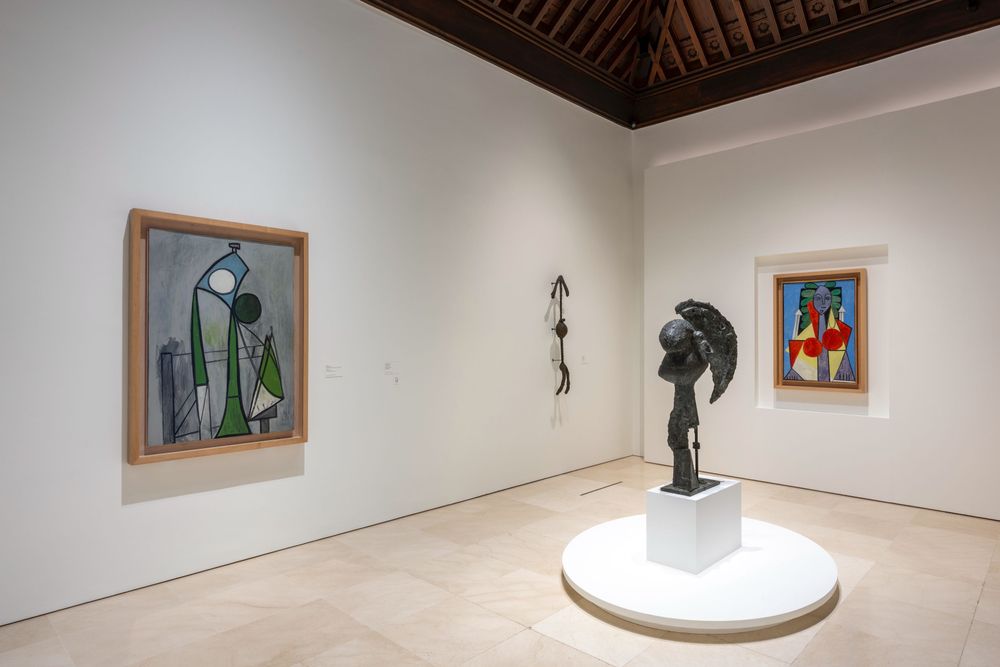
Experience a revolutionary view of the master’s career! The Museo Picasso Málaga has transformed its galleries to host Pablo Picasso: Structures of Invention. This permanent transformation is a project from the Museo Picasso Málaga. It features approximately 144 works of art. Furthermore, these pieces reveal Picasso’s extraordinary ability to create innovative structures.
The Unity of a Life’s Work
This new installation challenges conventional interpretations of Picasso’s career. Curator Michael FitzGerald proposes a unified body of art. Therefore, the installation avoids the traditional practice of dividing his work.
Traditionally, Picasso’s long career is fragmented in two main ways:
- Stylistic Periods: These include the ‘Blue’ period, ‘Cubism,‘ or ‘Surrealism’.
- Biographical Periods: These are based on his relationships, such as the period of Dora Maar or Jacqueline Roque.
Conversely, the new display reconnects these different phases. FitzGerald states that Picasso’s creativity arose from two opposing inspirations: innovation and retrospection. Consequently, the exhibition illustrates how he wove Cubism, Classicism, and Surrealism into one cohesive whole.
New Works and Thematic Jumps
This Picasso Structures of Invention approach involves the viewer in the artist’s creative process. Visitors now see relationships across his career by combining works from different decades in the same gallery.
- Works Spanning Decades: The works span the period between 1895 and 1972.
- Techniques: The display combines painting, sculpture, ceramics, drawing, and graphic art.
- New to Spain: The exhibition features several pieces new to Spain. For example, these include the oils Paul (The Artist’s Son) (1922) and Head of a Woman (1928). The sculpture Woman leaning on her Elbow (1933) is also displayed.
Research and Focus Exhibitions
A new feature includes five small ‘Focus Exhibitions’ within the permanent collection. Researchers from the Fundación Almine y Bernard Ruiz-Picasso (FABA) curate these sections. Specifically, themes covered include the artist’s relationship with African sculpture and his plaster sculptures of the 1930s.