THE WELLNESS HUB

Rehab & Addiction Recovery in Marbella: Treatment, Support & Starting Again

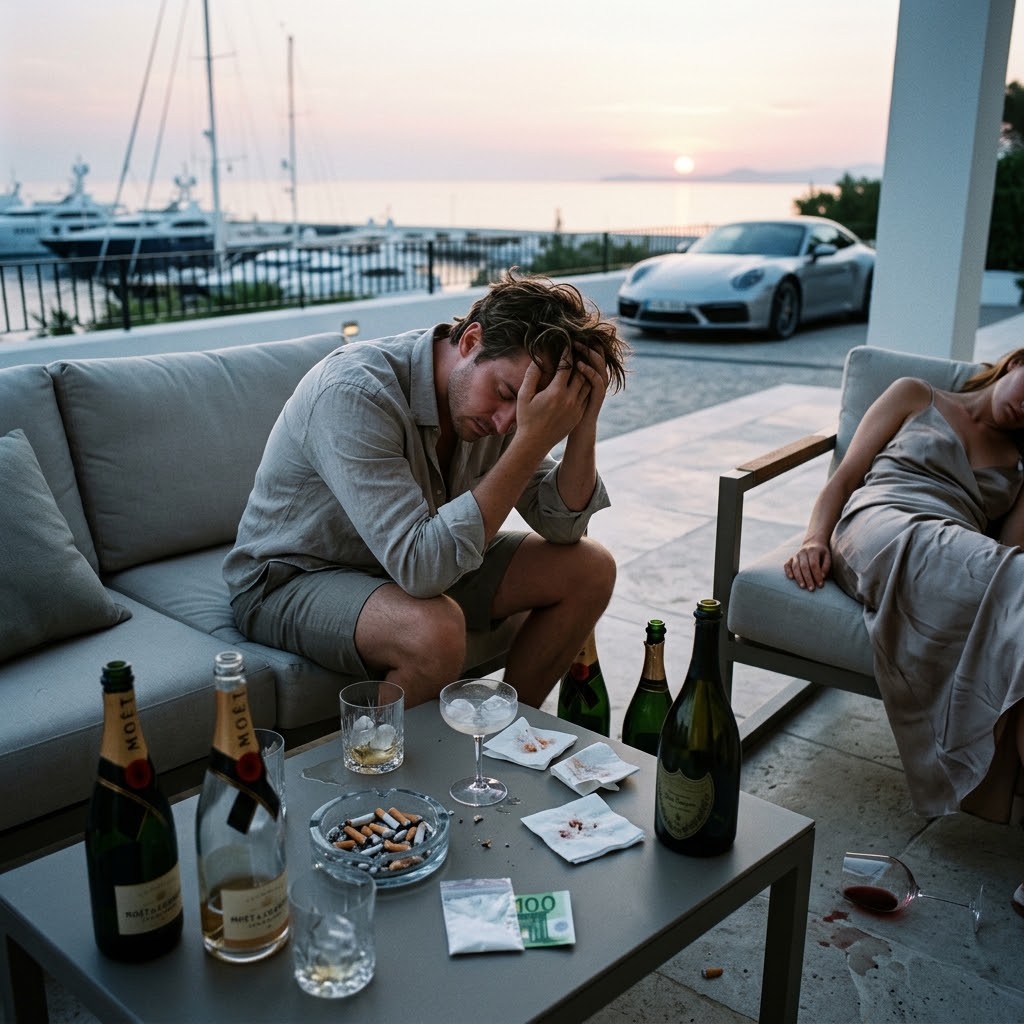
When the holiday mode stops being fun.

WHEN THE HOLIDAY MODE STOPS BEING FUN

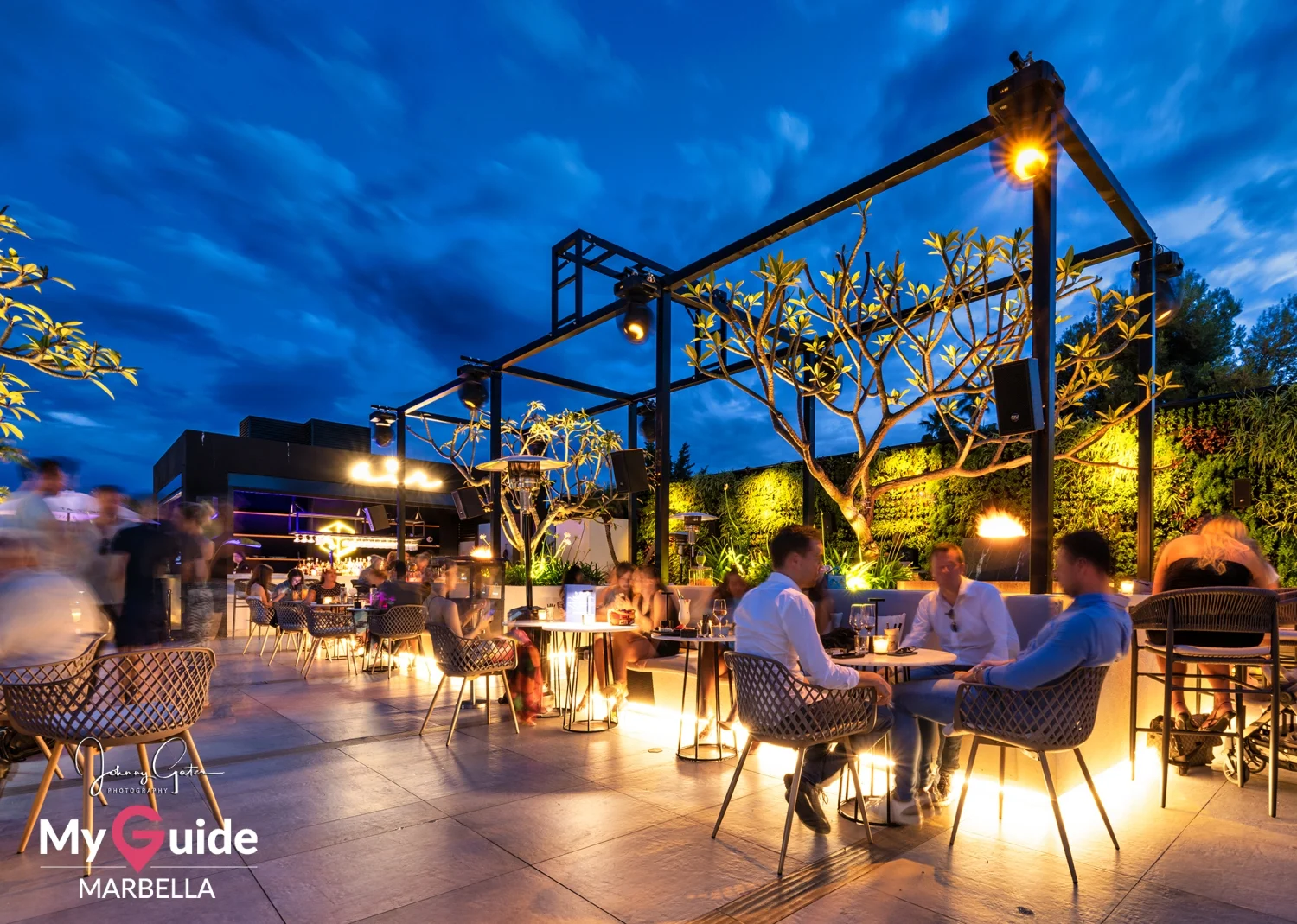
Marbella makes it remarkably easy to have a good time.

That’s part of the attraction.

Restaurants are busy on a Tuesday. Beach clubs start in the afternoon. New groups arrive on holiday every week.

For most people, that’s simply Marbella being Marbella.

But there is another side to it.

Someone who used to drink on Friday and Saturday hasn’t necessarily changed psychologically when they move here. What may have changed is everything around them.

There is now something happening on Monday. And Tuesday. And Wednesday.

The environment stopped limiting them.

Marbella doesn’t cause addiction. But it can remove some of the ordinary limits that previously kept someone’s behaviour occasional.

QUICK ANSWER

What rehab and addiction treatment is available in Marbella?

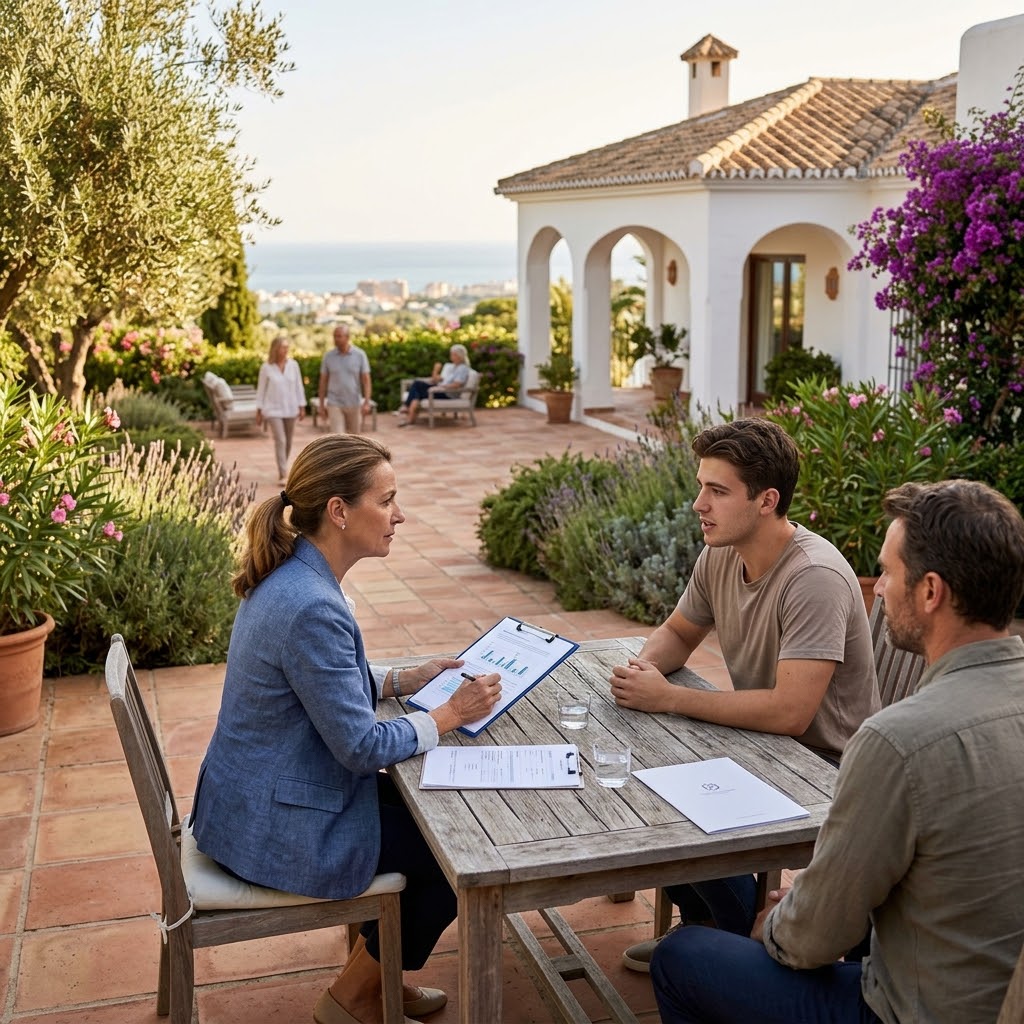
People looking for rehab in Marbella have several potential routes to support rather than one standard treatment.

Depending on individual needs, addiction treatment can include medical assessment, outpatient treatment, psychological therapy, medically supervised detoxification, residential rehabilitation and longer-term recovery support.

Someone who simply wants to change an unhealthy relationship with alcohol does not automatically need residential rehab. At the other end of the spectrum, someone physically dependent on alcohol or certain drugs may require medical supervision.

Treatment is only part of the story. Eventually, the person has to build a life they actually want to return to.

HIGHLIGHTS

What matters most

Marbella can remove natural limits

A permanent resident can live alongside thousands of people temporarily behaving as though every day is the weekend.

Rehab is not the only level of care

Support can range from therapy and outpatient treatment through medical detox and residential rehabilitation.

Recovery eventually becomes real life

Treatment can create separation. Long-term recovery still has to work when the old places, people and triggers return.

WHEN FUN BECOMES SOMETHING ELSE

When does partying become a problem?

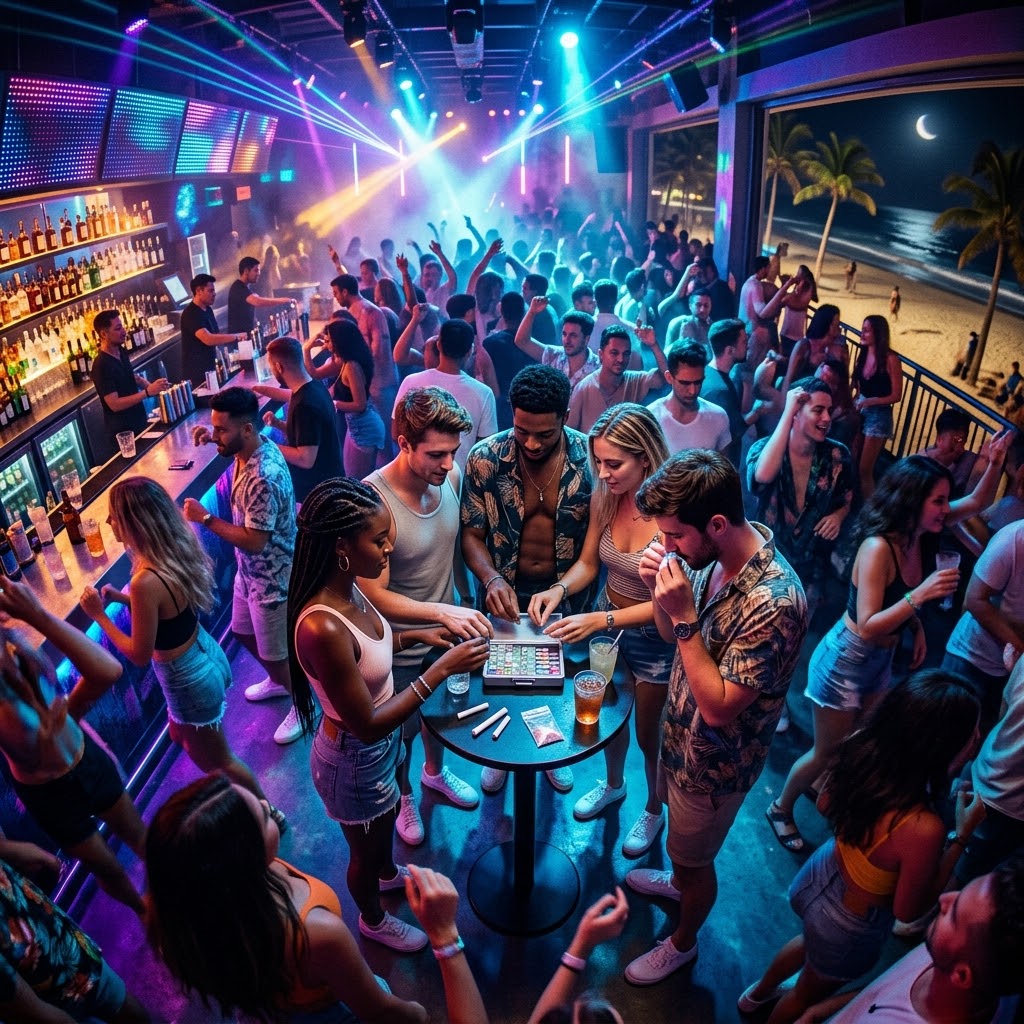
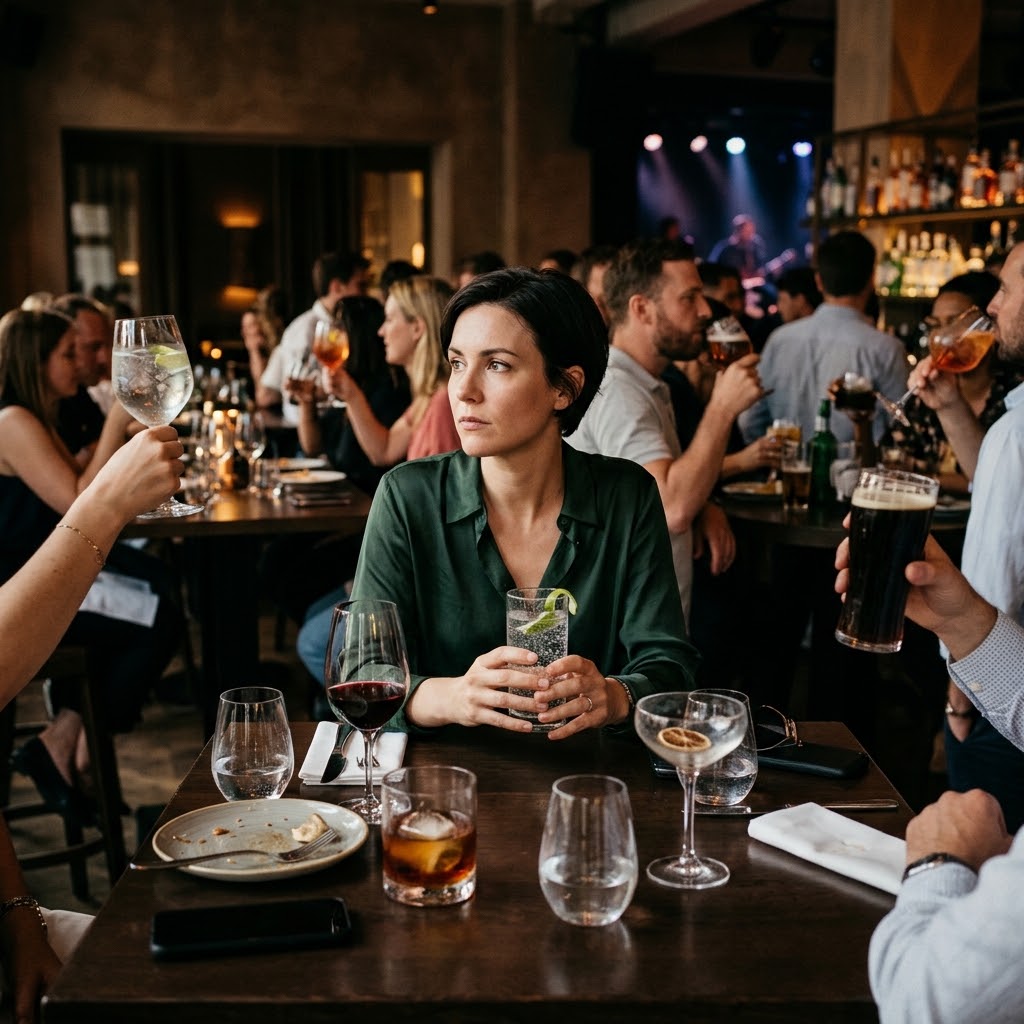
Imagine ten friends having dinner in Marbella. They drink heavily, go somewhere afterwards, some take drugs and stay out until morning.

From another table, it would be almost impossible to identify which of them – if any – has a serious problem.

Nine might go home, get on with their lives and not do it again for another month. For the tenth person, it may be part of a pattern that is beginning to cost them their health, relationships, family or career.

Better questions are: How often? Can they stop? What is it costing them? Why are they doing it?

The line isn’t always dramatic. Sometimes it moves slowly enough that nobody notices it moving.

THE ENVIRONMENT CHANGED

Marbella can remove the limits that existed at home

This is one of the more unusual features of living permanently in a holiday destination.

A group drinking rosé at 2pm on Wednesday doesn’t look particularly concerning if they’re flying home on Sunday. The person sitting at the next table might not be flying anywhere.

At home, work, family, weather, social routines and simple lack of opportunity may have created natural restrictions.

Then someone moves to Marbella and discovers that many of those boundaries have disappeared.

For most residents, the novelty settles naturally. For someone vulnerable to addictive or compulsive behaviour, removing the environment that previously limited it can expose a problem surprisingly quickly.

ALCOHOL & NORMALISATION

Alcohol can hide in plain sight

Wine with lunch. Drinks around the pool. A beer after golf. Champagne at an event. Cocktails before dinner. Wine with dinner. Drinks afterwards.

None of those things individually means someone has an alcohol problem. That’s precisely why problematic drinking can be difficult to recognise.

Someone can still run a company, train, maintain a family and appear completely functional while privately becoming uncomfortable with how frequently they drink or how difficult they find it to stop once they start.

There is an enormous space between never drinking and severe alcohol dependence.

The useful question isn’t simply: Do I need alcohol rehab? It’s: What level of help do I actually need? 

WITHOUT THE CLICHÉS

Drugs and Marbella, without the clichés

Marbella’s relationship with drugs has been sensationalised for decades. Pretending recreational drugs don’t exist here would be equally dishonest.

Historically, drug use was more visible in parts of Marbella’s nightlife than it is today.

But recreational drugs aren’t unique to Marbella. The more interesting local factor is the combination of availability, tourism and holiday mode.

Permanent residents live alongside a constantly renewing population of people temporarily operating outside their normal routines.

The useful questions remain the same: Can you stop? Why are you doing it? How frequently? What is it costing you?

WHEN TO SEEK HELP

You don't have to lose everything before asking for help

Addiction treatment covers a spectrum. The appropriate response depends on the person, their physical and mental health, the behaviour involved and the level of risk.

Repeated failed attempts to cut down

You decide to stop or reduce the behaviour, but repeatedly return to the same pattern.

Life starts organising around it

More time, money and attention are being built around drinking, drugs or another compulsive behaviour.

Consequences keep mounting

Health, work, relationships, finances or responsibilities are being affected.

Using to escape

The behaviour increasingly exists to avoid stress, anxiety, trauma, loneliness or other problems.

Withdrawal or dependence

Physical symptoms, tolerance or concern about stopping safely require professional medical assessment.

Other people are worried

Family, friends or colleagues are repeatedly expressing concern about what they are seeing.

TREATMENT PATHWAYS

Detox, rehab, therapy and recovery are different things

The terms are often grouped together online, but they describe different parts of treatment.

Detoxification

Manages the immediate physical effects of stopping a substance. Some withdrawal situations require medical supervision.

Residential rehab

Creates structured separation from the old environment while treatment and rehabilitation take place.

Outpatient treatment

Allows professional addiction care while someone continues suitable parts of normal life.

Therapy

Can address the psychological and emotional issues sitting underneath or alongside substance use.

Aftercare

Supports the transition back into everyday life after more intensive treatment.

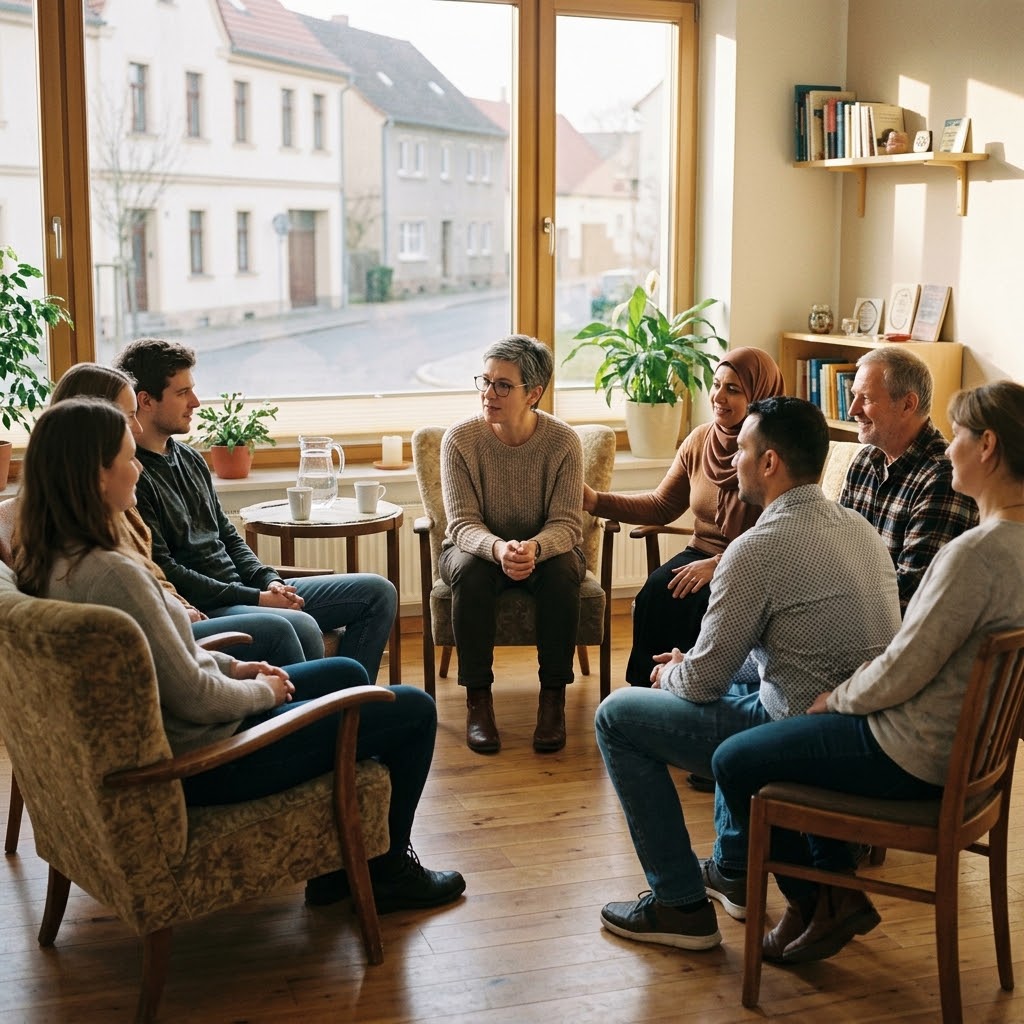
Peer & community support

Recovery groups and supportive communities can provide repeated contact, accountability and shared experience.

ALCOHOL REHAB MARBELLA

Alcohol rehab in Marbella

Someone searching for alcohol rehab in Marbella may be looking for very different levels of support.

They may want to stop drinking completely, may be worried about dependence, may have tried repeatedly to moderate, or may simply know their relationship with alcohol isn’t where they want it to be anymore.

Those situations shouldn’t automatically receive identical treatment.

Where physical dependence is possible, medical assessment becomes particularly important.

There is no prize for waiting until the problem becomes worse.

DRUG REHAB MARBELLA

Drug rehab in Marbella

The same principle applies to drug addiction treatment in Marbella.

Different substances have different effects, withdrawal risks and treatment needs.

Professional assessment matters.

There is also a distinction between stopping the substance and understanding the environment around it: stress, anxiety, trauma, loneliness, boredom, relationships, social groups or lack of purpose can all matter.

Removing the drug matters. Understanding what repeatedly creates the path back towards it can matter just as much.

PRIVATE, DISCREET, PROFESSIONAL

Private & luxury rehab in Marbella

The phrase luxury rehab can sound contradictory, but there is a legitimate distinction between making addiction glamorous and providing serious treatment in a private, comfortable environment.

For a wealthy family, executive, entrepreneur, public figure or anyone who values privacy, the environment can affect willingness to seek treatment.

A higher-end private rehab may offer individual accommodation, greater privacy, more individual attention and comfortable surroundings.

But marble floors don’t treat addiction.

Luxury can describe the environment. It shouldn’t be used as evidence of clinical quality.

INTERNATIONAL TREATMENT

English-speaking rehab & addiction support in Marbella

Marbella is unusually international, and language can matter enormously when treatment involves family, childhood, trauma, shame, fear and complicated emotions.

Someone may speak perfectly functional Spanish and still prefer discussing those things in English or another first language.

Anyone looking for English-speaking rehab in Marbella should confirm that the professionals directly providing medical and psychological treatment can work fluently in the language in which they are most comfortable.

DECISION FRAMEWORK

How to choose a rehab centre in Marbella

Don’t choose purely from photographs. A villa, swimming pool and mountain view tell you very little about the quality of treatment taking place inside.

Who provides treatment?

Check the qualifications and professional status of doctors, psychologists, therapists and addiction professionals.

Is there a proper assessment?

Treatment should respond to the individual rather than forcing everybody through exactly the same programme.

How is detox handled?

If detoxification is required, understand who supervises it and what medical support is available.

What happens on an ordinary day?

The daily programme often reveals more than the brochure.

How are mental-health issues handled?

Addiction may coexist with depression, anxiety, trauma or other conditions requiring appropriate professional care.

What happens afterwards?

Aftercare, follow-up and the return to normal life should be part of the conversation before treatment ends.

LIFE AFTER TREATMENT

Leaving rehab is when the environment returns

Stopping is one challenge. Returning is another.

The restaurant still exists. The club is still open. The friend who always suggests another drink hasn’t necessarily changed.

The argument that previously triggered a behaviour can happen again. The empty Sunday afternoon still arrives.

The places, people and emotions associated with the old behaviour don’t automatically disappear because treatment went well.

The environment and the triggers return.

CHANGE THE ENVIRONMENT

Sometimes you need a new group

You can genuinely love your friends while recognising that the lifestyle you share with them is incompatible with the life you’re trying to build.

If every interaction follows lunch → drinks → dinner → more drinks → club, trying to build sobriety while repeating exactly the same social routine creates an obvious conflict.

That doesn’t automatically mean dramatically cutting everyone out of your life.

But it can mean deliberately spending more time in environments where the normal behaviour supports where you’re trying to go.

Modern Marbella now has a lot of alternative tribes.

REPLACE, DON'T JUST REMOVE

Don't just remove something. Build something in its place.

The plan cannot always consist entirely of: don’t do the thing.

As part of an appropriate recovery plan, it can help to create different responses and environments around the moments that previously led towards the old behaviour.

Call somebody. Go outside. Train. Walk. Run. Attend a recovery meeting. Go to BJJ. Meet somebody for coffee.

This isn’t a substitute for treatment. Fifty push-ups don’t cure addiction. A cold plunge isn’t detox. BJJ isn’t therapy.

But recovery ultimately involves building different patterns around real life.

PURPOSE & RESPONSIBILITY

Recovery needs a stronger why

Removing something leaves a space. What fills it?

People can become lost after selling a company, retiring young, inheriting substantial wealth or suddenly removing the responsibilities that structured their previous lives.

They achieve freedom, then discover that freedom doesn’t automatically provide direction.

Responsibility can be grounding: children, family, work, a business, training, a team, meetings, people relying on you, something you’re building.

None of these prevents addiction by itself, but purpose, responsibility and connection can form part of rebuilding a life in which the old behaviour occupies less space.

STAY OR LEAVE

Can you recover while staying in Marbella?

For some people, yes.

We’ve seen people effectively leave Marbella without physically leaving Marbella: different places, different friends, different mornings, different routines, different priorities.

Other people leave completely, and that can make sense too.

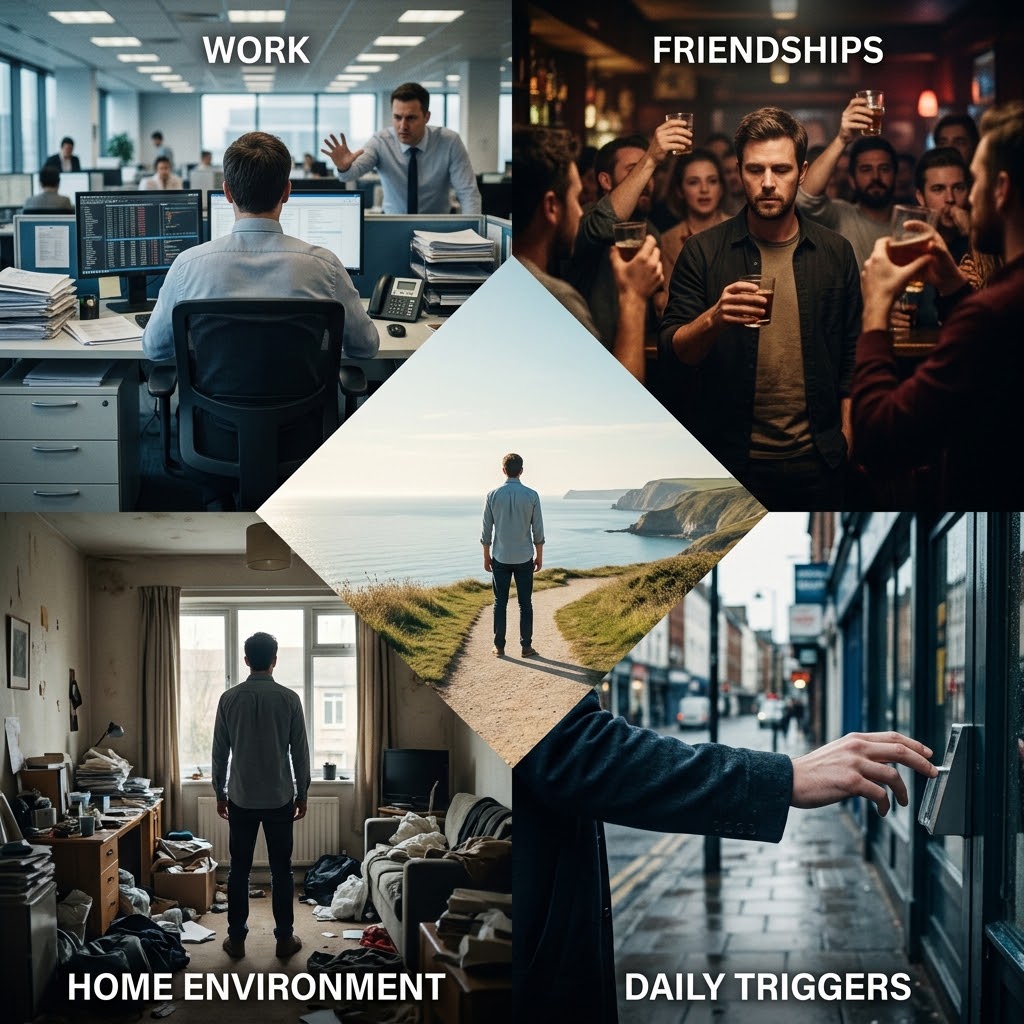
If someone’s work, friendships, home environment and daily triggers are deeply connected to the behaviour they’re trying to change, physical distance may provide a necessary reset.

The useful question is: Which environment gives this person the best chance of getting well and staying well?

BEYOND ALCOHOL & DRUGS

Addiction isn't limited to substances

Marbella offers access to almost every form of abundance. That means substance addiction isn’t the only compulsive behaviour worth acknowledging.

Gambling, compulsive sexual behaviour, shopping and spending, social media, work, performance-enhancing drugs and other behaviours can create serious problems for some people.

They shouldn’t all be treated as though they are clinically identical, and several deserve dedicated guides rather than being squeezed into one section here.

FAMILY & SUPPORT

Family usually experiences the problem too

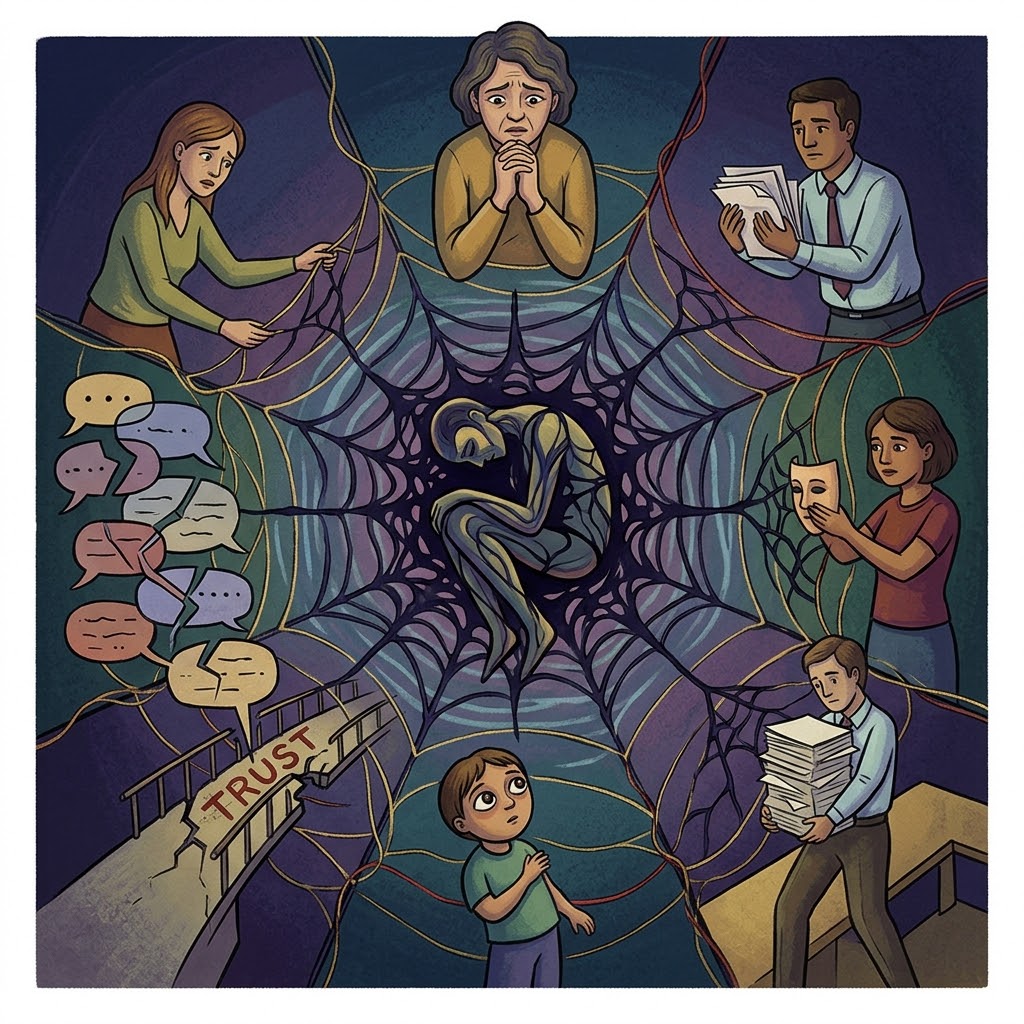
Addiction rarely exists in isolation.

Partners change their behaviour around it. Parents worry. Children notice. Friends cover for someone. Employees compensate. Arguments repeat themselves and trust can deteriorate.

Sometimes the family needs professional guidance too.

Supporting someone does not necessarily mean shielding them from every consequence of their behaviour.

Professional support can help families understand treatment options, appropriate boundaries and how to support recovery without trying to become the treatment themselves.

AFTERCARE

What happens after rehab may matter as much as rehab

A residential programme can create an important period of separation, treatment and stability. It cannot recreate an entire life.

Longer-term recovery may involve ongoing psychological or medical care, peer support, recovery groups, changes to routines and environments, rebuilding relationships and learning different responses when familiar triggers return.

Recovery isn’t necessarily a perfectly straight line.

The objective isn’t to become a person who never experiences stress, loneliness, temptation or a bad day. The objective is to develop better ways of responding when they arrive.

THE TMD TAKEAWAY

Marbella can be part of the problem, and part of the reset

If someone says, “Marbella is ruining me,” the stereotype can write the rest of the story quickly: alcohol, parties, drugs, sex, excess.

Sometimes those things genuinely are part of the problem.

But Marbella isn’t one lifestyle.

The person drinking beside a pool at 2pm and the person finishing a mountain hike at 10am might live five minutes apart.

For somebody experiencing addiction, simply choosing the healthier version of Marbella may not be enough. Proper professional treatment should come first when it is needed.

But treatment eventually has to become a life: people, responsibilities, routines, purpose and reasons to protect tomorrow morning.

Sometimes recovery means leaving Marbella. Sometimes it means staying here and leaving an entire version of Marbella behind.


FAQ

Rehab & addiction recovery in Marbella: frequently asked questions

Are there rehab centres in Marbella?

Yes. Marbella and the wider Costa del Sol have addiction-treatment options, and support can include outpatient care, detoxification, residential rehabilitation, psychological treatment and longer-term recovery support.

Yes, but residential rehab is not necessarily the right starting point for everyone concerned about drinking. The appropriate level of care depends on dependence, health and individual circumstances.

Addiction-treatment pathways are available in the wider area. Treatment should be based on the particular substance, pattern of use, physical health, mental health and individual circumstances.

Luxury rehab generally means addiction treatment delivered in a particularly private, comfortable or highly personalised residential environment. Accommodation quality should not be confused with treatment quality.

Marbella has a large international population. Confirm that the professionals directly providing treatment can work fluently in the language in which you are most comfortable discussing complex issues.

Not necessarily. An appropriately qualified professional can help assess whether lifestyle changes, therapy, outpatient treatment, medical care or residential rehabilitation is appropriate.

Do not assume that an unsupervised alcohol detox is safe if physical dependence may be present. Alcohol withdrawal can sometimes require medical management.

Yes, for some people. Others may benefit from temporarily or permanently changing environment. The right choice depends on treatment needs, triggers, support and the individual’s recovery plan.

For an immediate medical or psychiatric emergency in Spain, call 112 or seek urgent medical assistance.

EDITORIAL NOTE

Local context, clinical caution

This guide combines long-term local observation of Marbella’s lifestyle with general information about addiction treatment and recovery. It does not diagnose addiction or determine which level of treatment somebody requires. Decisions involving dependence, detoxification, mental-health conditions or addiction treatment should be made with appropriately qualified healthcare and addiction professionals.